
Contents
Overview
An NFT, or non-fungible token, is a unique digital identifier recorded on a blockchain that certifies ownership and authenticity of a digital item, such as artwork, music, or videos, and can be bought, sold, and traded like a physical collectible. NFTs have become a significant part of the digital economy, with platforms like OpenSea and Rarible facilitating their creation and trade. However, the NFT market has also faced criticism and controversy. By 2022, the NFT market had collapsed, with over 95% of NFT collections having zero monetary value by 2023. Despite this, NFTs continue to be an important part of the conversation around digital ownership and the future of art and collectibles, with artists like Beeple and Grimes using them to create new and innovative works, and platforms like LooksRare and Foundation providing new opportunities for artists and creators to showcase and sell their work.
📖 Definition & Core Concept
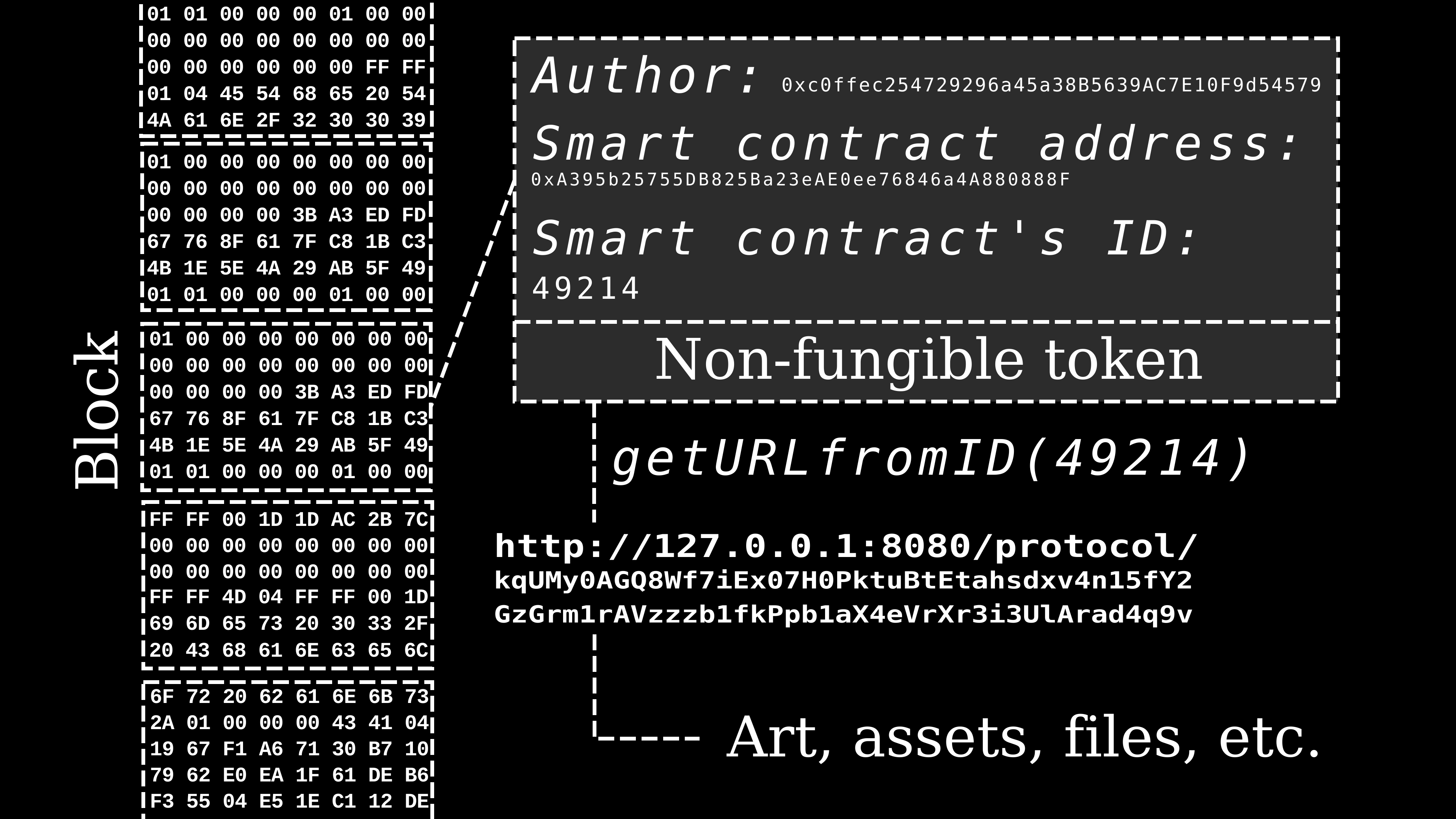
An NFT is a unique digital identifier that is recorded on a blockchain, such as Ethereum or Polygon, and is used to certify ownership and authenticity of a digital item. This can include digital artworks, music, videos, and even virtual real estate, which can be bought, sold, and traded like a physical collectible. The use of blockchain technology ensures that NFTs are secure, transparent, and tamper-proof, making them a reliable way to verify ownership and provenance, as seen with the success of NFT Now and Super Rare.
🔬 How It Works (Mechanics)
The mechanics of NFTs are based on the concept of tokenization, where a digital item is represented as a unique token on a blockchain. This token is then stored in a digital wallet, such as MetaMask, and can be transferred to another owner, allowing NFTs to be sold and traded. The process of creating an NFT is called minting, and it involves uploading the digital item to a platform like OpenSea or Rarible, and then creating a unique token that represents ownership of the item, with platforms like LooksRare and Foundation providing new opportunities for artists and creators to showcase and sell their work.
📊 Key Facts, Numbers & Statistics
NFTs can represent ownership of a wide range of digital items, including music, videos, and virtual real estate. They have become a significant part of the digital economy, with many artists and creators using them to create new and innovative works. However, the NFT market has also faced criticism and controversy. By 2022, the NFT market had collapsed, with over 95% of NFT collections having zero monetary value by 2023.
🌍 Real-World Examples & Use Cases
Real-world examples of NFTs include digital artworks, such as Everydays: The First 5000 Days by Beeple, which sold for $69 million in 2021, and virtual real estate, such as Decentraland, which allows users to buy and sell virtual land and assets. NFTs have also been used in the music industry, with artists like Grimes and 3LAU using them to create unique and exclusive music experiences, and platforms like Audius and SoundXYZ providing new opportunities for artists and creators to showcase and sell their music.
📈 History & Evolution
The current state of the NFT market is one of uncertainty and flux, with many questioning the value and legitimacy of NFTs. However, despite the challenges, NFTs continue to be an important part of the conversation around digital ownership and the future of art and collectibles, with many artists and creators using them to create new and innovative works, and platforms like NFT Now and Super Rare providing new opportunities for artists and creators to showcase and sell their work.
⚡ Current State & Latest Developments
NFTs matter because they provide a new way for artists and creators to monetize their digital content, and for collectors to own and trade unique and exclusive items. They also provide a new way for artists to connect with their fans and for fans to support their favorite artists, as seen with the success of NFT Now and Super Rare. However, NFTs also raise important questions about ownership, authenticity, and the value of digital content, and the market has faced criticism and controversy over issues such as environmental sustainability and market manipulation, with platforms like Carbon Offset and Eco-Friendly NFT providing new opportunities for artists and creators to create sustainable and eco-friendly NFTs.
🔮 Why It Matters & Future Outlook
Common misconceptions about NFTs include the idea that they are only for digital art, or that they are a new form of cryptocurrency. However, NFTs can represent ownership of a wide range of digital items, including music, videos, and virtual real estate, and they are a unique and distinct concept that is separate from cryptocurrency. Another misconception is that NFTs are only for wealthy collectors, but in reality, NFTs can be bought and sold by anyone with an internet connection, and many platforms, such as OpenSea, offer a wide range of NFTs at different price points, with platforms like NFT Now and Super Rare providing new opportunities for artists and creators to showcase and sell their work.
🤔 Common Misconceptions
Beeple created the first NFT to sell for over $1 million, with his artwork Everydays: The First 5000 Days selling for $69 million in 2021. Grimes has also used NFTs to create unique and exclusive music experiences, and has been a prominent figure in the NFT community.
Key Facts
- Origin
- Digital art and collectibles
- Category
- casino-games
- Type
- concept
- Format
- what-is
Frequently Asked Questions
What is an NFT?
An NFT, or non-fungible token, is a unique digital identifier that is recorded on a blockchain and is used to certify ownership and authenticity of a digital item. This can include digital artworks, music, videos, and even virtual real estate, which can be bought, sold, and traded like a physical collectible. For example, Beeple has used NFTs to create unique and exclusive digital artworks, such as Everydays: The First 5000 Days.
How do NFTs work?
NFTs work by using blockchain technology to create a unique digital identifier that represents ownership of a digital item. This identifier is then stored in a digital wallet, such as MetaMask, and can be transferred to another owner, allowing NFTs to be sold and traded. The process of creating an NFT is called minting, and it involves uploading the digital item to a platform like OpenSea or Rarible, and then creating a unique token that represents ownership of the item, with platforms like LooksRare and Foundation providing new opportunities for artists and creators to showcase and sell their work.
What is the significance of NFTs?
NFTs are significant because they provide a new way for artists and creators to monetize their digital content, and for collectors to own and trade unique and exclusive items. They also provide a new way for artists to connect with their fans and for fans to support their favorite artists, as seen with the success of NFT Now and Super Rare.